For many parents, the decision to send their child to nursery can be filled with uncertainty, emotional hesitation, and a long list of practical considerations. Some wonder if their child is too young to be apart from them, while others weigh the cost and logistics of nursery care. Yet, despite these concerns, the benefits of nursery education are numerous and deeply impactful. Using a nursery isn’t just a matter of convenience—it’s a meaningful investment in your child’s early development, emotional growth, and future success.
Early Social Development: Learning to Connect
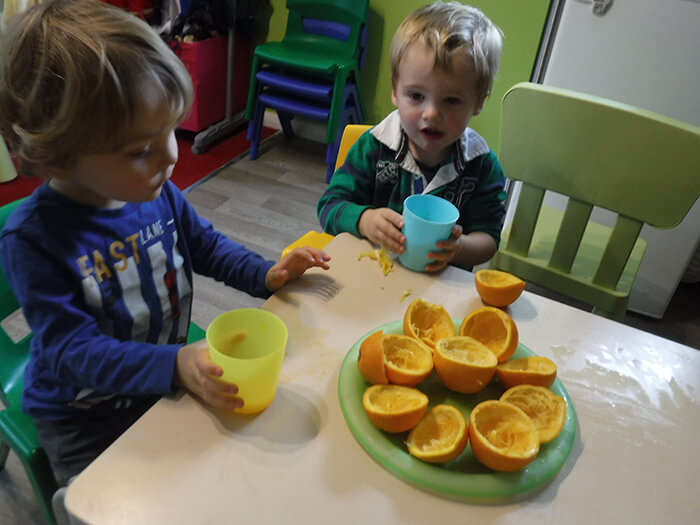
One of the most compelling reasons to enroll your child in nursery is the opportunity for social development. At home, children may primarily interact with adults or siblings. In a nursery, they meet peers from different backgrounds and learn to engage with a group. Through shared play, structured activities, and even conflict resolution, children begin to develop essential social skills.
In this environment, they learn how to take turns, share toys, listen to others, and express themselves in ways that are appropriate and constructive. These lessons may seem small, but they form the foundation of empathy, cooperation, and emotional intelligence—traits that are vital not just in school, but in all areas of life. By spending time in a group setting, children also become more confident and adaptable in social situations, making transitions to primary school and beyond far smoother.
Emotional Independence: Building Confidence and Resilience
Leaving home and entering a nursery environment can be a big emotional step for a young child, but it is one that fosters independence and confidence. In a nurturing and supportive setting, children learn to trust adults outside of their family, explore their surroundings without constant parental guidance, and solve problems on their own.
This kind of gentle separation helps children develop resilience. They learn that it is okay to be apart from their parents and that they can thrive in different environments. Emotional independence is not about detachment; rather, it’s about helping children build the inner strength to explore the world confidently. The supportive presence of nursery staff ensures that this process is both safe and encouraging, providing a secure base from which children can grow.
Cognitive and Language Development: A Head Start in Learning
A well-run nursery is much more than a place where children are supervised; it is a rich learning environment filled with age-appropriate activities that stimulate the mind and encourage curiosity. From storytelling and singing to puzzles, art projects, and early science experiments, nursery activities are carefully designed to promote cognitive development.
Language development in particular thrives in a nursery setting. Surrounded by peers and skilled educators, children are exposed to a broader vocabulary, more complex sentence structures, and diverse forms of communication. They learn not only to speak but also to listen, comprehend, and respond in context. Studies have shown that children who attend nursery tend to have stronger language skills upon entering school, giving them a clear advantage in the classroom.
Routine and Structure: Creating a Sense of Security
Children flourish in environments that are predictable and consistent. Nurseries provide structured daily routines that help children understand the flow of the day—when to play, when to eat, when to rest. These routines provide a comforting sense of stability, which is particularly important for young children as they navigate the world.
Structure also helps children develop self-discipline and time management skills. They learn how to follow instructions, adhere to group rules, and transition between activities. These are essential skills for school readiness and later life, where routines and expectations are a constant.
Physical Development: Active Bodies, Healthy Minds
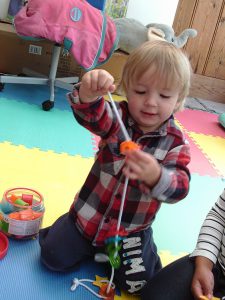
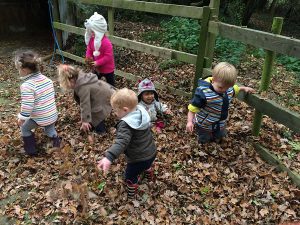
Nurseries also support children’s physical development through activities that improve both fine and gross motor skills. From drawing and building with blocks to running, jumping, and climbing, children are given ample opportunities to move and strengthen their bodies.
Physical activity is not just about health; it is closely linked to cognitive development. Movement stimulates brain activity, improves concentration, and helps children regulate their emotions. In nurseries, physical play is often incorporated into learning, making it both enjoyable and educational.
Early Exposure to Diversity and Inclusion
In today’s increasingly interconnected world, early exposure to diversity is more important than ever. Nurseries often bring together children from a wide range of cultural, linguistic, and socioeconomic backgrounds. This diversity enriches the nursery experience and teaches children from an early age about inclusion, respect, and understanding.
By interacting with children who may look, speak, or behave differently, your child develops a broader perspective on the world. These early experiences help prevent prejudice and foster a sense of global citizenship. Inclusion is not just a value taught at nursery—it’s a lived experience that shapes the way children see and relate to others throughout their lives.
Parental Benefits: Time, Balance, and Reassurance
While the primary focus of nursery is the child’s development, parents also benefit. Knowing that your child is in a safe, stimulating environment allows you to focus on work, personal goals, or simply recharge. Parenting is a demanding, full-time role, and nurseries offer essential support that can help prevent burnout and stress.
Additionally, nurseries often serve as a support network for parents. They offer advice on child development, host events and workshops, and create a community of families experiencing similar challenges and joys. This network can be invaluable, particularly for first-time parents navigating the early years.
A Strong Foundation for School and Life
Perhaps the most lasting benefit of nursery is the strong foundation it provides for formal education. Children who attend nursery are often more prepared for school, not only academically but socially and emotionally. They enter classrooms with confidence, ready to participate, learn, and engage.
The skills children gain in nursery—self-regulation, curiosity, independence, collaboration—are not limited to early childhood. These are lifelong competencies that influence success in school, work, and relationships. Nursery is not just about getting a head start; it’s about setting the stage for lifelong learning and growth.
Conclusion: A Wise Investment in the Future
Choosing to use a nursery is a significant decision, but it is one that offers remarkable benefits for your child’s development and well-being. Far from being merely a childcare solution, a quality nursery is a dynamic environment where children thrive socially, emotionally, cognitively, and physically.
By giving your child the opportunity to explore, interact, and grow in a supportive setting, you are investing in their future—and offering them a strong, confident start in life.