
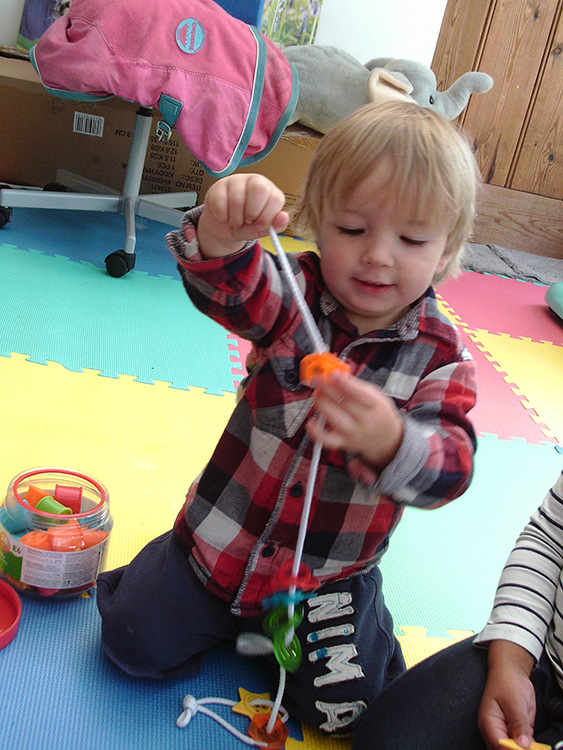
Starting nursery is a major milestone for both children and their parents. It marks the beginning of a child’s journey into a more structured environment where they will begin to build independence, make friends, and develop the skills that will prepare them for school and beyond. As exciting as this step is, it can also bring about a mix of emotions—pride, nervousness, and perhaps a few tears (from both children and parents alike). While nurseries are well-equipped to support young children during this transition, there are many meaningful ways that parents can help their child succeed in this new chapter.
Preparing for Nursery: Laying the Groundwork at Home
Success at nursery often begins well before a child’s first day. Preparing your child in advance can make the transition smoother and reduce anxiety. One of the most effective ways to prepare is to talk about nursery positively. Let your child know what to expect, using simple, reassuring language. You might talk about the fun activities they’ll enjoy, such as painting, playing with new toys, or making friends. Reading books about starting nursery can also help make the concept more familiar and less intimidating.
It’s also helpful to introduce elements of routine at home that mirror what they might experience at nursery. This could include consistent wake-up times, regular meal times, and designated times for play, quiet activities, and naps. Familiarity with routine provides children with a sense of predictability, which can be comforting in new environments.
Encouraging independence at home is another valuable step. Help your child practice simple self-care tasks such as putting on their coat, washing their hands, or tidying up toys. These small acts of autonomy can boost confidence and make it easier for them to manage day-to-day activities at nursery.
If possible, arrange visits to the nursery before the start date. Many nurseries offer settling-in sessions where parents and children can explore the space together. Seeing the environment and meeting staff members can help your child feel more comfortable and give you an opportunity to discuss any concerns or questions with the caregivers.
Supporting Your Child Emotionally and Socially
Adjusting to nursery is as much an emotional experience as it is a practical one. Some children adapt quickly, while others may take a little longer to settle. One key to helping your child succeed is acknowledging their feelings while offering steady reassurance. It’s completely normal for a child to feel nervous or even resistant to attending nursery at first. Validating their emotions—without amplifying them—can help them feel understood and secure.
Establishing a goodbye routine can be a powerful tool during drop-offs. A consistent, calm, and brief farewell helps children feel safe and allows them to transition more easily. Avoid lingering too long or returning for “just one more hug,” as this can make separation more difficult. A quick kiss, a reassuring smile, and a cheerful goodbye let your child know that you trust they will be okay—and this trust is contagious.
Social development is another area where parental support can make a big difference. Outside of nursery hours, providing opportunities for your child to interact with other children can help them build the skills needed to thrive in group settings. Playdates at the park or attending toddler groups are great ways to practice sharing, turn-taking, and communication.
Encourage your child to talk about their day, but be patient if they are not immediately forthcoming. Some children take time to process their experiences. Asking open-ended questions like “What did you play with today?” or “Who did you sit with at lunch?” can prompt conversation without pressure. Showing genuine interest reinforces that what they do at nursery matters to you and helps them feel proud of their achievements.
Practical Ways to Stay Involved and Encourage Growth
Being actively involved in your child’s nursery experience is another effective way to support their success. Most nurseries welcome parental engagement, whether it’s through regular communication with staff, attending events, or contributing to activities at home that complement what your child is learning.
Establishing a good relationship with nursery staff allows for open communication. Share insights about your child’s personality, preferences, and any specific needs. In turn, staff can keep you informed about your child’s progress, social interactions, and any areas where they may need extra support. This partnership creates a consistent approach that benefits your child’s well-being.
Support learning at home by extending nursery activities in simple, fun ways. If your child is learning about colours, shapes, or counting, find everyday moments to reinforce those concepts—whether it’s counting stairs, sorting laundry by colour, or spotting shapes on a walk. These natural, playful interactions deepen learning without making it feel like formal education.
Celebrating your child’s efforts and achievements, no matter how small, can also go a long way. Perhaps they’ve managed a whole day without tears, made a new friend, or tried a new activity. Acknowledging their bravery and progress builds self-esteem and motivates them to keep engaging with the nursery environment.
It’s also important to be patient. Every child develops at their own pace, and success at nursery doesn’t necessarily mean mastering every skill right away. Some children may excel socially but take longer to engage in structured activities, while others may thrive academically but need more time adjusting emotionally. Trusting the process and offering steady encouragement helps your child feel secure and capable, no matter where they are in their development.
Finally, remember to take care of yourself during this transition too. Watching your child take their first steps into independence can be emotional. Sharing experiences with other parents, seeking support when needed, and acknowledging your own feelings can help you approach this stage with confidence and positivity—qualities that your child will sense and benefit from.
Helping your child succeed at nursery is about more than just preparing them for a new environment—it’s about nurturing a sense of security, confidence, and curiosity that will stay with them as they grow. By laying a strong foundation at home, supporting emotional and social development, and staying involved in their learning journey, you’re giving your child the tools to not only succeed at nursery but to thrive in all the years to come.