When it comes to early childhood education, parents are often presented with a growing range of choices. Traditional nurseries and the increasingly popular forest schools both aim to support children in their early years, yet they do so in remarkably different ways. Understanding these differences is essential for making the right decision for your child’s development, personality, and interests. Both settings provide valuable learning opportunities, but they are guided by different philosophies, methods, and environments.
Environment and Learning Philosophy
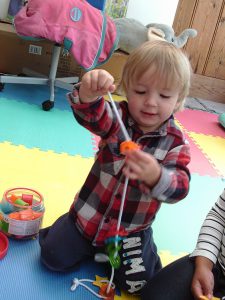
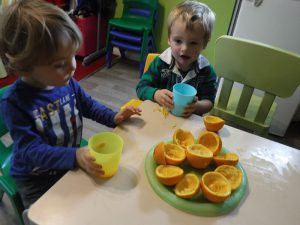
At its core, a nursery is an indoor-based early education setting designed to prepare children for school while supporting working parents. Nurseries typically follow a structured daily routine that includes time for play, group activities, meals, rest, and learning tasks. These settings are often filled with age-appropriate toys, books, art supplies, and learning tools, all designed to stimulate children’s cognitive, emotional, and physical development. The curriculum in a nursery is usually aligned with national early years standards, such as the Early Years Foundation Stage (EYFS) in the UK, ensuring that children receive a broad and balanced foundation in areas like communication, literacy, numeracy, and social skills.
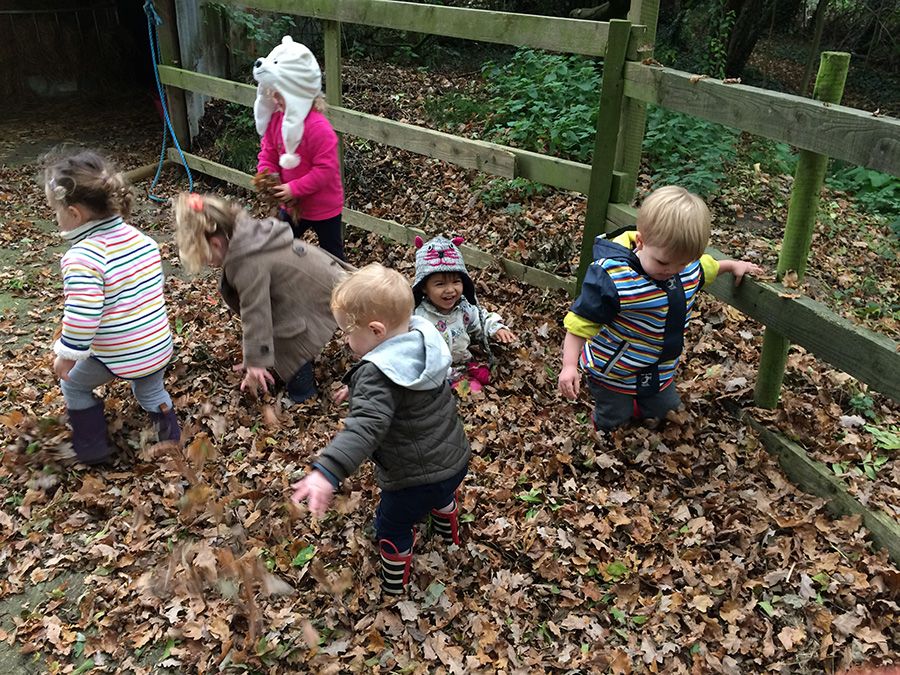
In contrast, forest schools operate with a different approach. Rooted in Scandinavian educational philosophy, forest schools place nature at the heart of learning. Rather than being primarily indoors, children at forest schools spend the majority of their time outside—regardless of the weather—exploring woodland areas, engaging with natural materials, and participating in child-led, experiential learning. The forest school ethos emphasises holistic development, focusing on building self-esteem, confidence, and independence through hands-on activities in a natural setting. Instead of working through a formal curriculum, learning is guided by children’s curiosity and facilitated by trained forest school leaders who encourage exploration and problem-solving.
Learning Experiences and Role of Adults
One of the most striking differences between a nursery and a forest school is the environment itself. Nurseries provide a controlled, familiar indoor space, often equipped with colourful resources and designated areas for different types of play—creative, sensory, role play, and quiet reading zones. There may also be outdoor play areas, but time spent outside is typically structured and limited. Forest schools, on the other hand, embrace the unpredictability of the natural world. Children might build dens from sticks, cook over a campfire, climb trees, or search for insects in the undergrowth. The forest becomes a classroom without walls, rich in sensory experiences and constantly changing with the seasons.
This difference in environment leads to varied learning experiences. In a nursery, children often participate in adult-led activities designed to support specific developmental milestones, such as learning to count, recognise letters, or follow instructions. While there is certainly room for imaginative play and exploration, the structure tends to be more guided. Forest schools prioritise unstructured, child-initiated play. The belief is that, through freedom and interaction with nature, children develop critical life skills—resilience, risk assessment, creativity, and teamwork—that are just as important as academic knowledge. Learning outcomes may be less immediate or measurable, but they are deeply rooted in real-world experiences and personal growth.
Another key distinction lies in the role of the adult in each setting. In nurseries, staff typically plan and lead a variety of activities, observing children’s progress and providing support where needed. Their role is active and directive, ensuring children meet developmental goals and are prepared for the next stage of education. Forest school leaders, in contrast, take a more observational role. They act as facilitators rather than instructors, stepping back to allow children to discover, take risks, and solve problems independently. The adult presence is still essential—particularly for safety and encouragement—but the emphasis is on empowering children to take the lead in their own learning journey.
Outcomes and Choosing What’s Right for Your Child
There are also differences in how risk is approached. Nurseries generally aim to minimise risk, providing a safe and controlled environment. Equipment is age-appropriate, and activities are carefully supervised to prevent injury. Forest schools, however, embrace the concept of “managed risk.” Children are taught how to assess and manage dangers themselves, whether it’s using tools, lighting a fire, or navigating uneven terrain. This approach builds confidence and decision-making skills, helping children to understand their own boundaries and capabilities. While some parents may initially feel uneasy about the idea of young children handling real tools or climbing trees, forest school educators argue that such experiences are vital for developing resilience and self-awareness.
When it comes to outcomes, both nurseries and forest schools offer significant benefits, but the focus is different. Nurseries tend to emphasize school readiness—helping children become familiar with routines, group settings, and basic academic concepts. This can ease the transition to formal schooling and give children a solid foundation in early literacy and numeracy. Forest schools prioritise emotional and social development, fostering a love of learning, environmental awareness, and a strong sense of self. Children who attend forest schools often show high levels of motivation, curiosity, and problem-solving ability—traits that serve them well in school and beyond.
Importantly, these two approaches are not mutually exclusive. Some nurseries incorporate elements of forest school into their programs, offering “forest days” or outdoor learning sessions. Similarly, many forest schools cover aspects of traditional early years education, integrating storytelling, counting, and language development into outdoor activities. For parents, the choice may come down to what best suits their child’s personality and learning style. Some children thrive in structured environments with clear routines and familiar surroundings. Others blossom when given the freedom to roam, explore, and learn at their own pace in nature.
Ultimately, both nurseries and forest schools aim to nurture the whole child—supporting their intellectual, emotional, physical, and social growth. The key difference lies in how they achieve these goals. While nurseries provide a more conventional path to early education with an emphasis on school readiness, forest schools offer an alternative that values nature, independence, and experiential learning. Neither is inherently better than the other; they simply offer different pathways to the same destination: helping children grow into confident, capable, and curious individuals.
Choosing between a nursery and a forest school is a personal decision that depends on your child’s needs, your family’s values, and practical considerations such as location and availability. By understanding the unique qualities of each setting, parents can make informed choices and feel confident that they are supporting their child’s early development in the best possible way.